Family Psychology: 7 Powerful Parenting Patterns That Shape Children for Life
The Invisible Psychology Every Family Creates
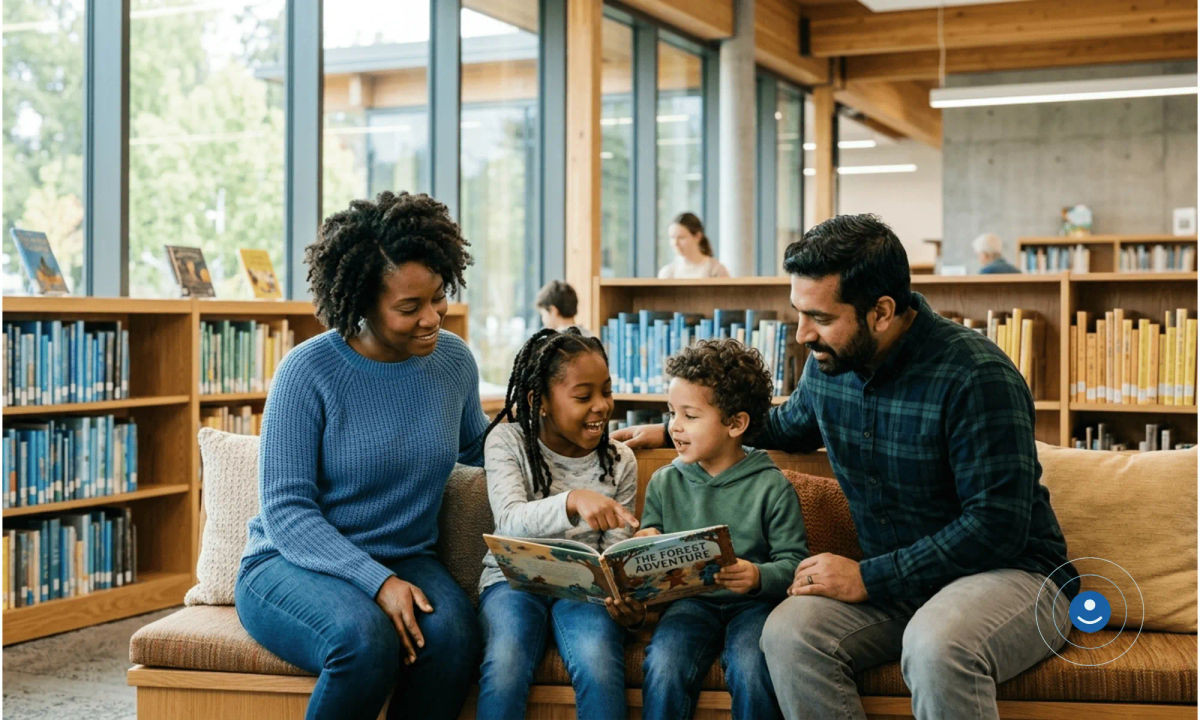
Parents often assume they are raising children through the lessons they intentionally teach. They remind them to say "please" and "thank you," encourage them to work hard in school, and explain the difference between right and wrong. While these conversations certainly matter, developmental psychology suggests that children learn just as much—if not more—from the emotional environment in which those lessons are delivered.
Long before children understand complex advice, they are observing how adults respond to stress, disappointment, conflict, affection, and failure. They notice whether home feels calm or unpredictable, whether disagreements are resolved respectfully or with hostility, and whether mistakes are treated as opportunities to learn or reasons for shame. These everyday experiences gradually become the blueprint through which children understand relationships, confidence, trust, and even their own identity.
This is why parenting is far more than a collection of rules. It is the process of creating an emotional climate. Every family develops its own culture, often without realizing it. That culture quietly shapes how children see themselves and how they eventually interact with the world. While no parent gets everything right, understanding these psychological patterns allows families to make small adjustments that can have lasting effects for years to come.
Control Without Connection Creates Emotional Distance
Many parents believe that strict discipline naturally produces responsible children. Clear expectations, consistent consequences, and structure certainly have an important place in parenting. Problems begin when discipline becomes dominated by fear instead of trust. In homes where children believe every mistake will result in harsh criticism, punishment, or humiliation, they often become less honest rather than more responsible.
Children naturally want to avoid painful consequences. If admitting the truth consistently leads to anger or ridicule, many begin hiding mistakes instead of discussing them openly. This is not because they are inherently dishonest, but because secrecy feels emotionally safer than vulnerability. Parents may interpret this as defiance, while the child is often responding to fear rather than disrespect. Families that combine accountability with emotional safety usually encourage far more honesty because children learn that telling the truth leads to guidance instead of rejection.
Emotional availability plays a similar role. Some parents provide excellent physical care but struggle to express warmth, empathy, or curiosity about their children's emotional lives. They may solve practical problems efficiently while unintentionally overlooking feelings. Over time, children raised in emotionally distant environments sometimes become highly sensitive to approval because emotional needs remain unmet at home. Others may suppress emotions altogether because they never learned that expressing them was acceptable.
Seeking validation is a natural human need. The question is where children learn to find it. When they regularly experience encouragement, acceptance, and meaningful conversations within their family, they are less likely to depend entirely on external approval. When emotional needs are consistently ignored, however, children may spend much of adolescence and adulthood searching for acceptance through friendships, romantic relationships, social media, or professional achievement. External success can temporarily fill the gap, but it rarely replaces the emotional security that healthy family relationships provide.
The goal of parenting is not to eliminate discipline or constantly praise children regardless of their behavior. Rather, it is to ensure that correction never overshadows connection. Children should know that poor choices have consequences, but they should also know that making a mistake does not threaten their place within the family. When accountability is balanced with empathy, children are more likely to develop both responsibility and trust—qualities that strengthen relationships long after childhood has ended.

Confidence Is Built Through Safe Failure
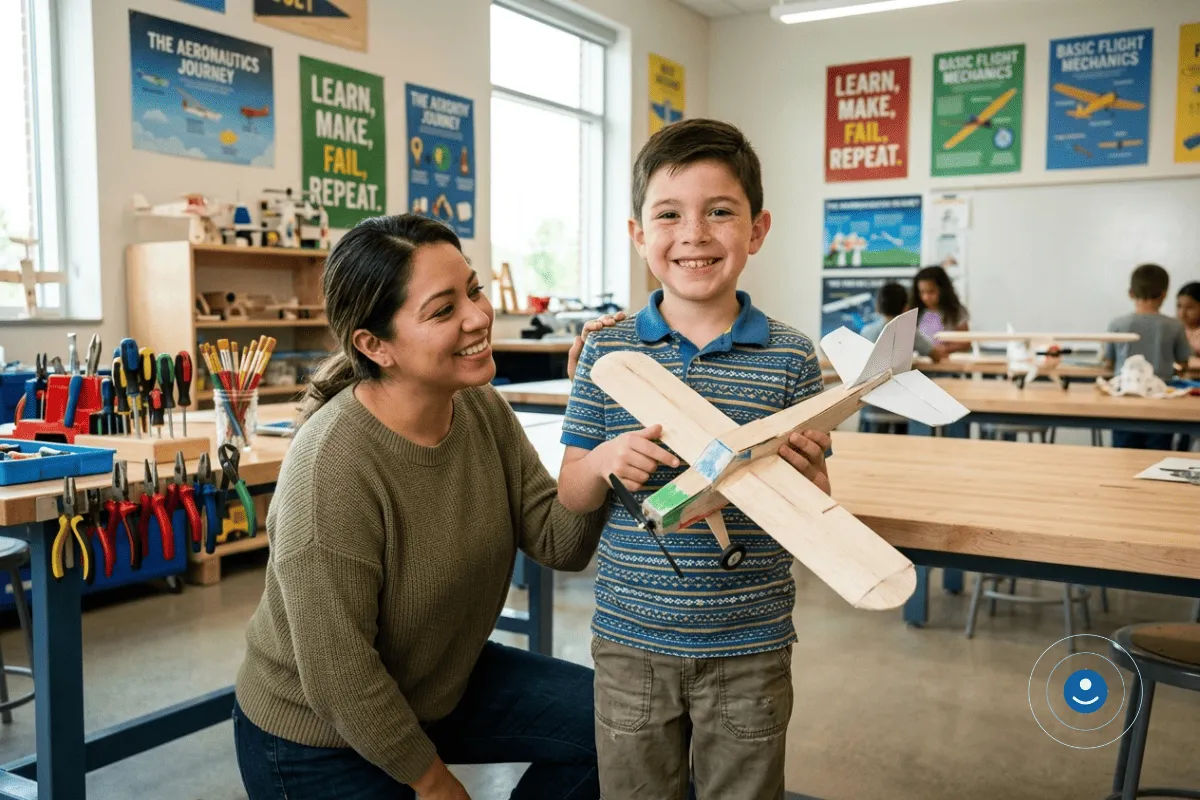
One of the greatest gifts parents can give their children is permission to fail without feeling like failures. Mistakes are often treated as problems to eliminate as quickly as possible, yet developmental psychology suggests they are essential parts of learning. Every child will eventually make poor decisions, misunderstand instructions, struggle academically, lose competitions, or experience disappointment. These moments do not define their future. What matters is how the adults around them respond.
Children who are encouraged after making mistakes often develop what psychologists call a growth mindset. Instead of believing that ability is fixed, they begin to see challenges as opportunities to improve. A child who hears, "You worked hard, let's figure out what you can learn from this," develops a very different internal dialogue from one who repeatedly hears, "Why can't you ever get this right?" The first learns resilience. The second may begin avoiding difficult situations altogether because failure feels like a threat to their identity rather than a normal part of growth.
At the same time, many parents unintentionally limit confidence by becoming overly protective. Every parent wants to keep their child safe, but there is a difference between protecting children from genuine danger and protecting them from every uncomfortable experience. When adults constantly solve problems, make every decision, or prevent children from experiencing manageable setbacks, they also remove opportunities to develop independence. Children gradually begin to doubt their own abilities because they have little evidence that they can overcome challenges on their own.
Healthy confidence is not built by convincing children that they are exceptional at everything they do. It develops when children repeatedly discover that they can face uncertainty, recover from disappointment, and solve problems through persistence. Parents who offer guidance while allowing age-appropriate independence help children build genuine self-esteem rather than fragile confidence that depends entirely on praise.
Children Learn Relationships by Watching Relationships
Long before children begin dating or forming families of their own, they are quietly observing the relationships closest to them. They notice how parents speak to each other during ordinary conversations, how disagreements are handled, how affection is expressed, and whether respect remains present even during stressful moments. These observations become powerful lessons about what love, partnership, and family are supposed to look like.
One of the most influential relationships a child witnesses is the relationship between their parents or primary caregivers. When a father consistently treats the mother with kindness, respect, and emotional support, he communicates lessons that extend far beyond the marriage itself. Daughters often develop healthier expectations of how they deserve to be treated, while sons learn what respectful masculinity looks like in practice. The opposite is equally true. Constant criticism, disrespect, intimidation, or emotional neglect can quietly shape a child's understanding of relationships in ways that may continue into adulthood.
This does not mean parents need a perfect marriage to raise emotionally healthy children. Every relationship experiences disagreements and difficult seasons. In fact, children can learn valuable lessons from watching adults resolve conflict respectfully. Seeing parents apologize, compromise, forgive, and repair disagreements teaches that healthy relationships are not conflict-free; they are built on mutual respect and a willingness to work through problems together.
Perhaps the most important lesson children absorb is not whether parents argue, but whether love remains visible during and after those disagreements. A home where respect consistently outweighs resentment gives children a secure foundation from which they can build their own future relationships.
Every Child Brings Different Strengths
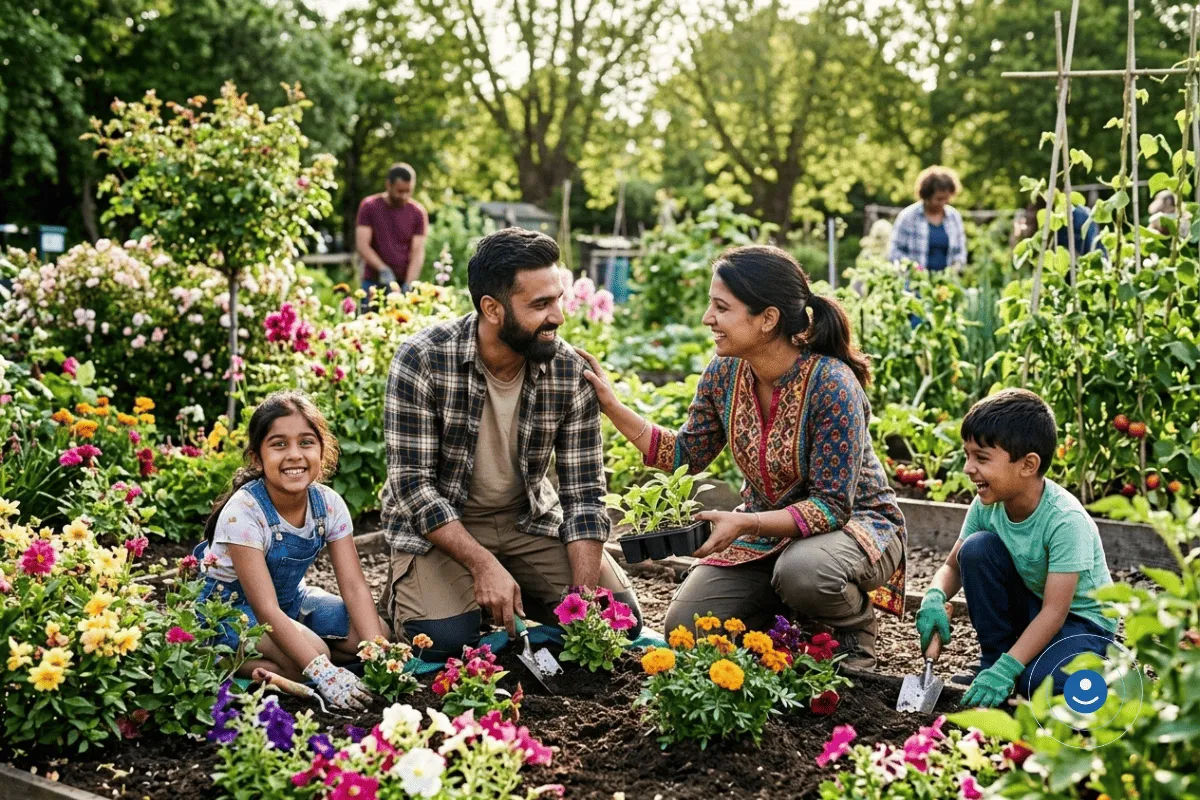
Parents naturally notice differences between their children. One child may be outgoing while another is quiet. One enjoys structure, another thrives on creativity. These differences often begin early, leading many people to wonder whether birth order determines personality. While research has identified some interesting patterns, psychologists generally agree that birth order is only one small influence among many. Temperament, parenting, family dynamics, life experiences, and individual personality all play significant roles.
Youngest children are often described as creative, adaptable, or socially confident because they grow up observing older siblings and navigating established family dynamics. Older children are sometimes viewed as responsible or achievement-oriented, while middle children are often described as flexible negotiators. These patterns can certainly appear in some families, but they are tendencies rather than rules. Every child is unique, and reducing them to a birth-order label can prevent parents from fully appreciating who they actually are.
Healthy families avoid placing children into fixed roles such as "the smart one," "the difficult one," "the responsible one," or "the creative one." Labels, even positive ones, can quietly limit growth by encouraging children to believe that certain parts of their identity are permanent. Instead, parents can focus on discovering each child's individual strengths while encouraging development in areas where they struggle. This approach communicates an important message: you are valued for who you are, and you are always capable of growing beyond who you were yesterday.
Children flourish when they are seen as individuals rather than comparisons or stereotypes. When parents remain curious about each child's personality instead of trying to fit them into predetermined roles, they create an environment where confidence, creativity, and authenticity can naturally develop.
Final Thoughts
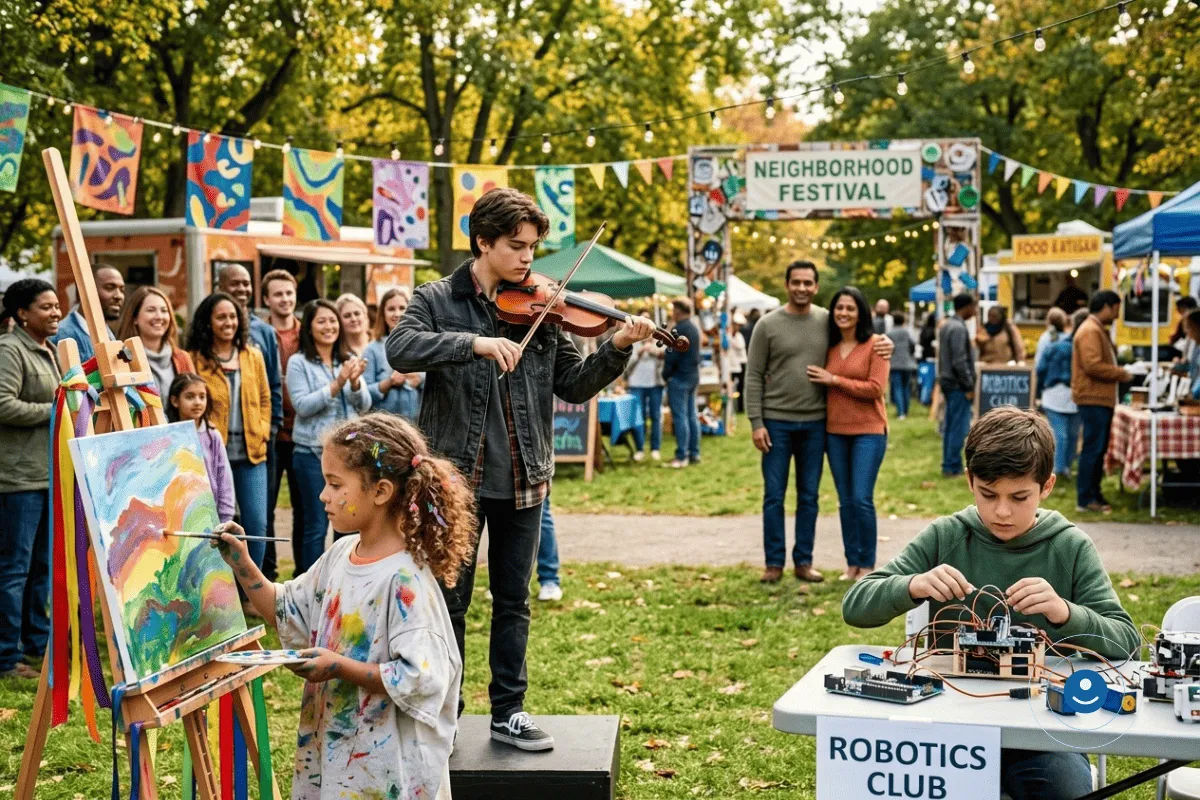
Parenting is often described as one of life's greatest responsibilities, yet it is also one of its greatest opportunities. Every conversation, family tradition, apology, encouragement, and shared experience contributes to the emotional environment children carry with them into adulthood. While parents cannot control every influence their children will encounter, they have tremendous influence over the place where those children first learn what love, trust, courage, and belonging feel like.
The psychological patterns explored in this article are not rigid rules or guarantees. Children are wonderfully unique, and many factors shape who they become. However, decades of developmental research consistently point to one reassuring truth: children thrive when they experience emotional safety alongside healthy boundaries. They become more resilient when mistakes are treated as opportunities to learn rather than reasons for shame. They develop healthier relationships when respect is modeled consistently at home. They build stronger confidence when they are encouraged to solve problems instead of being protected from every challenge.
Perhaps the most comforting realization for parents is that perfection has never been the goal. Every family experiences difficult seasons, misunderstandings, and moments of frustration. What matters most is not raising children without mistakes but creating a home where mistakes can be acknowledged, repaired, and learned from. Children who grow up watching adults apologize, forgive, support one another, and continue growing often carry those same habits into their own relationships years later.
In the end, parenting is less about raising children and more about raising future adults. The emotional climate families create today quietly shapes the partners, parents, friends, and leaders those children will eventually become. A home filled with trust, respect, curiosity, and unconditional love may not always feel extraordinary in the moment, but over time it becomes one of the greatest gifts a family can leave to the next generation.