How to Raise a Strong and Healthy Son: 12 Habits That Shape Boys Into Resilient Men
Raising Healthy Boys Requires More Than Good Intentions
Every parent wants their child to grow up healthy, confident, and capable. Yet raising a strong and healthy son has become more complex than many previous generations experienced. Modern children face challenges that did not exist a few decades ago. Increased screen time, reduced physical activity, social pressures, academic expectations, and constant digital stimulation all influence how boys develop physically and emotionally.
Many parents understandably focus on visible measures of success. They worry about grades, sports performance, or future career opportunities. While these concerns are important, the foundation of a successful life is often built much earlier. A healthy son is not simply a child who avoids illness or performs well in school. He is someone who develops physical vitality, emotional resilience, healthy habits, confidence, and the ability to navigate life's inevitable challenges.
The encouraging news is that these qualities are not determined entirely by genetics. Daily routines, family culture, parental behavior, and consistent guidance all play a significant role in shaping how boys grow into men. The habits established during childhood often influence health, mindset, and character for decades.
Movement Builds More Than Physical Strength
Children were designed to move. Running, climbing, jumping, exploring, and playing are not simply recreational activities; they are essential parts of healthy development.
Regular physical activity strengthens muscles, bones, cardiovascular health, and coordination. However, the benefits extend far beyond the body. Active children often develop greater confidence because they learn what their bodies are capable of doing. They become more comfortable taking healthy risks, solving physical challenges, and pushing through discomfort.
Research also shows that physical activity supports cognitive development and emotional well-being. Boys who engage in regular movement often experience improved focus, better mood regulation, and reduced stress levels. This is one reason why active play remains so important even in an increasingly digital world.
Parents do not need to create elite athletes. The goal is simply to make movement a normal and enjoyable part of everyday life.
Healthy Eating Should Feel Normal, Not Punitive
One of the most common mistakes parents make is turning healthy eating into a constant battle.
Children naturally resist anything that feels like punishment. When nutritious foods are presented as unpleasant obligations while unhealthy foods are treated as special rewards, children quickly learn to associate healthy eating with restriction.
A better approach is to make nutritious foods part of the family's normal lifestyle. Children learn more from observation than instruction. When parents regularly consume balanced meals, drink water, and demonstrate healthy choices without obsessing over them, children often adopt similar behaviors.
Food should be connected to energy, growth, health, and enjoyment rather than guilt or pressure. A son who develops a healthy relationship with food during childhood is more likely to maintain those habits throughout adulthood.
Sleep Is the Foundation Most Parents Underestimate
Many aspects of parenting receive significant attention, but sleep is often overlooked despite its enormous impact on development.
During sleep, the body repairs itself, growth processes occur, memories consolidate, and emotional regulation systems reset. Insufficient sleep can affect concentration, mood, academic performance, physical health, and even behavior.
Modern technology has made quality sleep increasingly difficult for many children. Screens, gaming, social media, and irregular schedules can interfere with healthy sleep patterns.
Creating consistent bedtime routines, limiting late-night screen exposure, and prioritizing adequate rest provide benefits that influence nearly every area of a child's development. In many cases, improved sleep alone can significantly enhance a child's physical and emotional well-being.
Hygiene Teaches Responsibility and Self-Respect
Good hygiene may seem like a simple practical skill, but it also teaches important psychological lessons.
When boys learn to care for their bodies through regular bathing, dental care, grooming, and cleanliness, they develop habits that communicate self-respect. They learn that taking care of themselves is part of being responsible and mature.
These routines also contribute to confidence. Children who feel clean, comfortable, and prepared often navigate social situations with greater ease.
The goal is not perfection or appearance. The goal is helping children understand that self-care is a normal and valuable part of daily life.
Children Learn More From What Parents Do Than What They Say
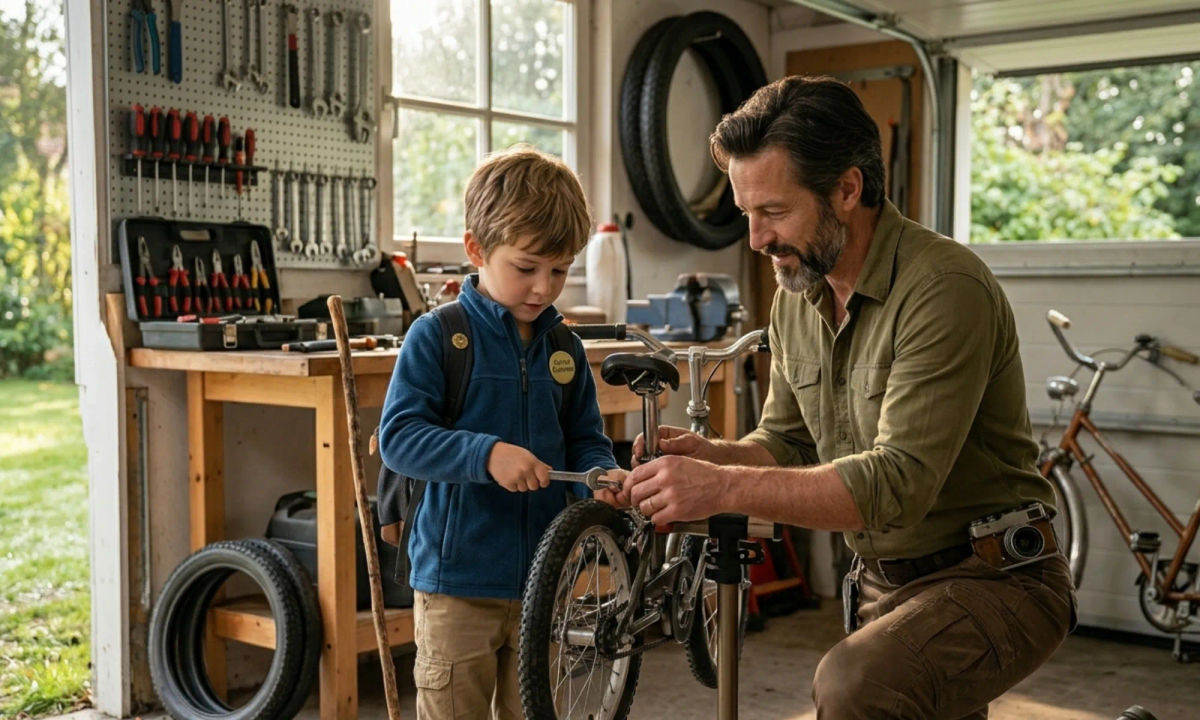
Perhaps the most powerful parenting tool is example.
Parents often spend considerable time explaining values, habits, and expectations. Yet children pay close attention to behavior. They notice how adults handle stress, treat others, respond to setbacks, manage health, and balance responsibilities.
A parent who values exercise, healthy eating, emotional regulation, and lifelong learning sends a stronger message through actions than through lectures.
This does not require perfection. In fact, children benefit from seeing adults make mistakes and recover from them. What matters most is consistency. Healthy habits become far more believable when they are visible.
Family culture is often shaped by what parents repeatedly model rather than what they occasionally say.
Emotional Strength Matters as Much as Physical Strength
Many boys receive encouragement to be physically strong but far less guidance on emotional resilience.
True strength includes the ability to recognize emotions, communicate feelings appropriately, handle disappointment, and recover from adversity. Emotional skills help boys build healthy relationships, manage stress, and navigate challenges throughout life.
Encouraging conversations about feelings does not make children weaker. In many cases, it makes them more capable. Boys who can identify emotions are often better equipped to manage them effectively.
Parents can support emotional development by listening without immediately solving every problem, validating experiences, and teaching healthy coping strategies. These conversations create a foundation for emotional intelligence that benefits children long after they leave home.
Outdoor Experiences Support Healthy Development
Nature provides something increasingly rare in modern life: unstructured exploration.
Outdoor experiences encourage curiosity, creativity, physical activity, and stress reduction. Whether it involves hiking, biking, gardening, sports, or simply spending time in local parks, nature offers developmental benefits that are difficult to replicate indoors.
Studies consistently suggest that time spent outdoors supports both physical and mental health. Children often become more active, less stressed, and more engaged when given opportunities to interact with natural environments.
These experiences also help boys develop confidence through exploration and discovery rather than constant supervision and structured activities.
Resilience Is Learned Through Challenges
Every parent wants to protect their child from pain. However, resilience develops through overcoming manageable difficulties rather than avoiding them entirely.
When boys experience setbacks, disappointments, failures, and frustrations, they gain opportunities to learn persistence, adaptability, and problem-solving. Children who never encounter challenges may struggle when life inevitably becomes difficult.
This does not mean exposing children to unnecessary hardship. It means allowing age-appropriate challenges and resisting the temptation to solve every problem immediately.
A son who learns that setbacks can be overcome develops confidence that cannot be created through praise alone.
Family Wellness Creates Lasting Habits
Children are more likely to adopt healthy habits when those habits become part of family life.
Walking together after dinner, participating in sports, preparing meals as a family, spending time outdoors, and discussing emotional well-being create an environment where health feels normal rather than forced.
Shared activities also strengthen relationships. A child who experiences connection alongside healthy habits often develops positive associations that continue into adulthood.
The objective is not to create a perfect family. It is to create a family culture that supports physical, emotional, and social well-being.
Final Thoughts
Raising a strong and healthy son involves far more than helping him grow physically. It means creating an environment where health, resilience, confidence, responsibility, emotional intelligence, and self-respect can develop naturally over time.
The most important lessons rarely come from single conversations. They emerge through daily routines, family traditions, shared experiences, and consistent examples. Boys learn strength by watching strength. They learn resilience by practicing resilience. They learn healthy habits by living in environments where those habits are valued.
Parents do not need to be perfect to raise healthy children. What children need most is guidance, consistency, support, and opportunities to grow. When those elements are present, the foundation is laid not only for a healthy boy but for a capable, resilient, and well-rounded man.