12 Lessons That Build a Loving Family and Create Lifelong Bonds

Strong Families Are Built Through Small Daily Choices
Many people assume that loving families are created automatically. They believe that because people share a home, love and closeness will naturally follow. Yet strong families are rarely built by chance. They are shaped through countless small decisions, conversations, habits, and moments that often seem ordinary at the time.
Children may not remember every gift they received or every vacation they took, but they often remember how people made them feel. They remember whether home felt safe or stressful, whether mistakes were met with understanding or humiliation, and whether they felt valued simply for being themselves. The emotional atmosphere inside a family quietly influences confidence, relationships, and even the way children view themselves long after they become adults.
The good news is that loving families are not built through perfection. They are built through consistency. Certain lessons, practiced repeatedly over many years, create homes where trust, belonging, and emotional security can flourish.
Words Leave Lasting Scars
Parents sometimes underestimate the power of words because children appear resilient. A harsh insult spoken in anger may be forgotten by the adult who said it, but children often carry those words much longer than anyone realizes. Labels such as "lazy," "useless," or "stupid" can slowly become part of a child's inner voice, shaping confidence and self-worth for years.
The same principle applies to humor. Family members sometimes joke about insecurities, believing harmless teasing creates closeness. Yet jokes about appearance, intelligence, weight, or personal struggles can quietly create shame rather than connection. What feels playful to one person may feel deeply painful to another.
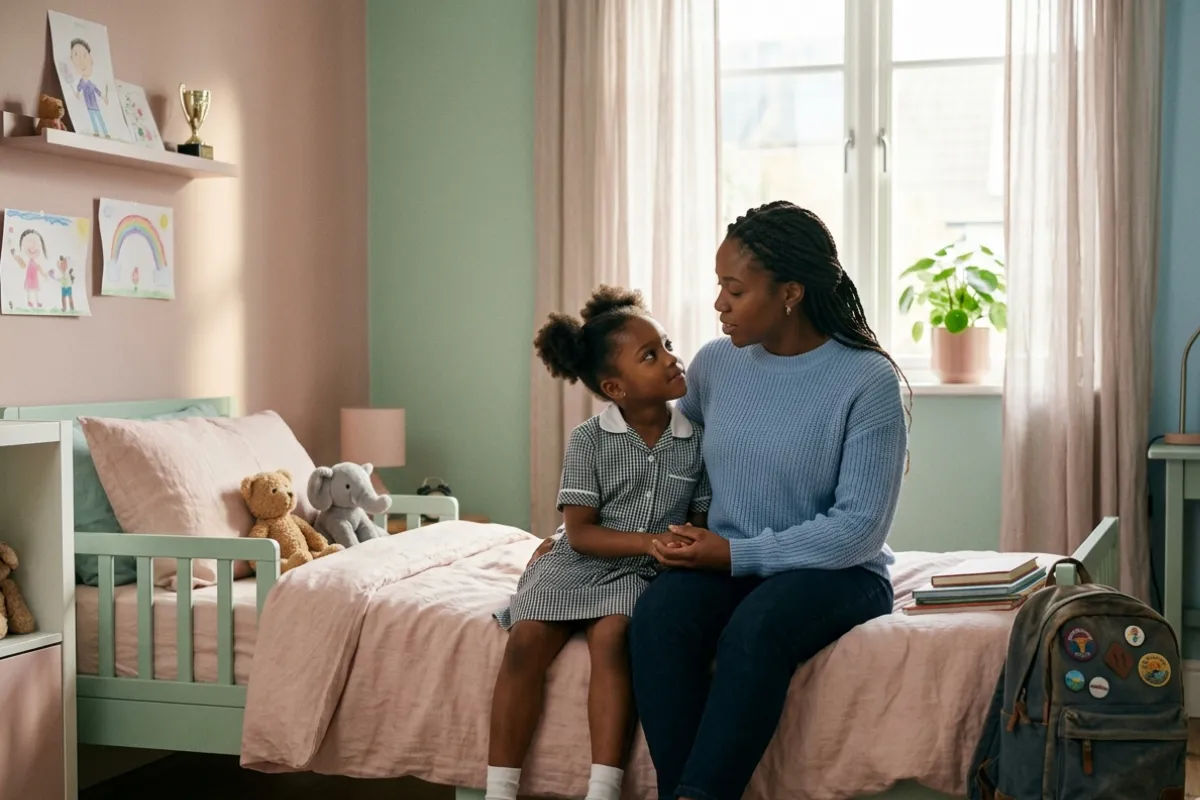
Healthy families understand that words have tremendous power. Encouragement builds confidence, while criticism should focus on behavior rather than identity. People grow when they feel respected, not humiliated. Kindness within the home often becomes the foundation for kindness people later show themselves and others.
Listening and Belonging Create Emotional Safety
Many conflicts within families arise not because people disagree, but because they do not feel heard. In relationships, it is easy to prepare responses before fully understanding what another person is trying to say. Over time, this habit creates frustration and emotional distance.
Strong families cultivate the habit of listening. Spouses learn to understand before reacting. Children feel safe expressing emotions without immediately being corrected or dismissed. Conversations become opportunities for connection rather than competitions to determine who is right.
Equally important, no member of the family should feel like a guest in their own home. Home should be the one place where people feel accepted, valued, and comfortable being themselves. Belonging creates security, and security strengthens relationships. People thrive when they know they are loved not because they are perfect, but because they are family.
Raise Siblings as Teammates, Not Competitors
Comparison is one of the quickest ways to create resentment between children. Even well-meaning parents may unintentionally create rivalry by constantly comparing personalities, grades, talents, or achievements. Over time, children may begin viewing each other as competitors rather than companions.
Healthy families recognize that every child is different. Instead of measuring one sibling against another, they celebrate individual strengths and encourage cooperation. This approach allows children to appreciate each other's uniqueness rather than compete for approval.
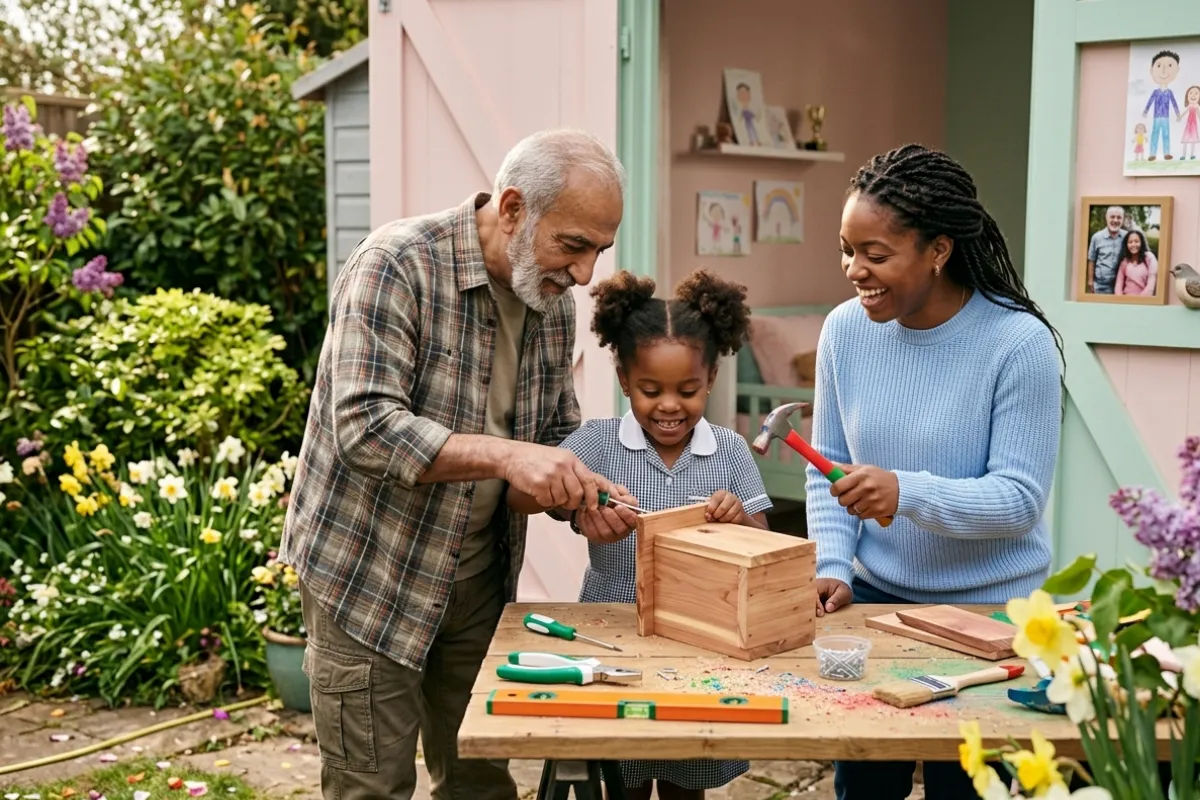
Family life also teaches an important lesson about support. When one person struggles, everyone helps. Families are strongest when members understand that success is shared and hardships are carried together. Children who grow up experiencing this kind of support often develop stronger empathy and healthier relationships later in life.
Say "I'm Proud of You" More Often Than "What's Next?"
Many families unintentionally create an environment where love feels closely tied to performance. Children receive praise after achieving something, but the moment one goal is reached, attention immediately shifts to the next challenge. A good grade leads to questions about the next exam. A promotion leads to discussions about the next career step. Success becomes expected rather than celebrated. While ambition and growth are valuable, constantly focusing on what comes next can leave family members feeling as though they are never quite enough.
People of all ages need affirmation. Children need to hear that they are valued not only for what they accomplish, but for who they are becoming. Spouses need appreciation for the countless efforts that often go unnoticed. Even parents and grandparents benefit from feeling recognized and appreciated. Simple words like "I'm proud of you," "Thank you," or "I appreciate what you do" can have a profound impact because they communicate acceptance rather than expectation.
Encouragement does not make people complacent. In fact, genuine appreciation often strengthens confidence and motivation. People who feel valued are more likely to take healthy risks, recover from setbacks, and pursue growth without fear of constantly disappointing others. Families flourish when achievement is celebrated, but character, effort, kindness, and perseverance are valued just as highly.
Support Each Other During Difficult Seasons
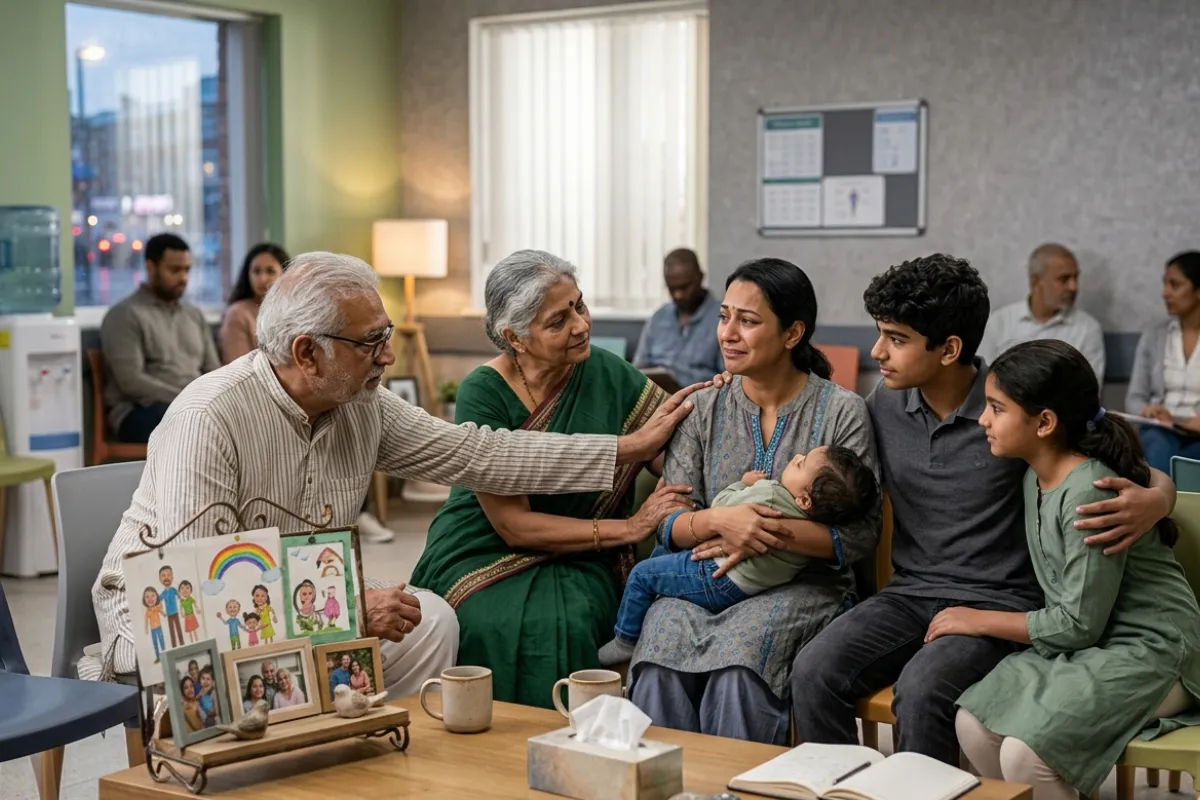
Every family eventually encounters seasons of struggle. Illness, financial stress, disappointment, loss, and personal failures are inevitable parts of life. During these moments, what defines a family is not the absence of hardship but the willingness to stand together when life becomes difficult. Strong families understand that support is not reserved for times when everything is going well. It becomes most meaningful when someone feels weak, discouraged, or uncertain.
Children who grow up in supportive environments develop an important sense of security. They learn that mistakes do not make them unlovable and that asking for help is not a sign of weakness. Likewise, spouses who feel supported during stressful seasons often emerge stronger and more connected. Emotional support does not always require solutions. Sometimes people simply need someone who listens, encourages, and reminds them that they are not facing challenges alone.
The phrase "we're in this together" may sound simple, but it carries tremendous power. Families are strengthened when burdens are shared and victories are celebrated collectively. This sense of unity creates resilience that helps relationships survive difficult seasons and appreciate joyful ones even more deeply.
Build a Legacy, Not Just a Household
Families are more than people sharing a roof. They are communities where values, habits, traditions, and beliefs are passed from one generation to the next. Children may eventually forget many details of daily life, but they often remember how home made them feel. They remember whether they felt accepted, whether apologies were offered after mistakes, whether laughter was common, and whether love was expressed freely.
Perhaps the greatest gift parents can offer is not wealth, status, or perfection, but a home where people feel safe, respected, and deeply loved. Those experiences shape how children approach friendships, marriage, parenting, and even their relationship with themselves. In many ways, the atmosphere created today becomes part of the legacy future generations inherit.
A loving family is not built in a single moment. It is built gradually through conversations, traditions, forgiveness, encouragement, and countless acts of kindness that seem ordinary at the time. Over the years, those ordinary moments become extraordinary memories. And long after possessions are forgotten, the love shared within a family often becomes the greatest inheritance of all.
Small Rituals Create Strong Memories
Families are often strengthened not by extraordinary events but by ordinary rituals repeated over time. Shared meals, birthday traditions, weekend outings, holiday routines, and simple conversations before bedtime create a sense of belonging that children carry into adulthood. These moments may seem insignificant in the middle of busy schedules, but they become part of the emotional memories that define what home feels like.
Modern life has made families busier than ever. Work, school, activities, and digital distractions can easily turn homes into places where people simply cross paths instead of genuinely connecting. This is why shared meals matter so much. Sitting together, talking about the day, laughing, and listening to each other's stories creates opportunities for connection that cannot be replaced by text messages or social media.
Celebrating small moments is equally important. Achievements do not always need to be grand. A good grade, a personal victory, a birthday, or simply making it through a difficult week can become opportunities to express gratitude and appreciation. These celebrations communicate an important message: life is not only about chasing the next milestone. It is also about recognizing and enjoying the journey together.
Teach Respect, Consent, and Healthy Boundaries
Love and respect are closely connected, and one of the most valuable lessons families can teach is that affection should never come at the expense of personal boundaries. Many parents grew up believing that children should automatically hug relatives or suppress discomfort to avoid offending others. While these expectations may come from good intentions, teaching children that they have ownership over their bodies helps them develop confidence, self-respect, and healthy relationships later in life.

Respect also means recognizing that forgiveness and boundaries can exist together. Families should certainly practice grace and understanding because mistakes are part of being human. However, repeatedly accepting harmful patterns without addressing them can create resentment and emotional exhaustion. Healthy relationships require both compassion and accountability.
Children learn these lessons not only through conversations but by observing how adults treat each other. When parents model respect, apologize sincerely, and maintain healthy boundaries, they teach children that love is not about control or obligation. It is about mutual care, trust, and dignity.
Pride Often Creates More Damage Than Mistakes
Most family conflicts are not caused by bad intentions but by stubbornness. People become defensive, arguments escalate, and pride prevents reconciliation long after emotions have cooled. Sometimes relationships suffer not because someone made a mistake, but because no one was willing to take the first step toward healing.
Strong families understand that saying "I'm sorry" is not a sign of weakness. It is an act of maturity. Apologizing first does not mean accepting blame for everything or ignoring important issues. It simply means valuing peace more than ego. In healthy homes, people are willing to admit mistakes, extend forgiveness, and prioritize the relationship over the desire to always be right.
This mindset creates emotional safety because family members know that conflict will not automatically lead to rejection or lasting bitterness. They learn that disagreements can be repaired and that love grows stronger when humility replaces pride.
Final Thoughts
A loving family is not built through grand gestures or perfect parenting. It is built through everyday habits that communicate respect, safety, and belonging. Words matter. Listening matters. Shared meals matter. Encouragement matters. Boundaries matter. So do apologies, forgiveness, and the willingness to support one another through difficult seasons.
Perhaps the most beautiful aspect of family life is that it is shaped by ordinary moments. A conversation after dinner, an encouraging word during a difficult day, laughter during a simple celebration, or an apology offered with humility may seem small in isolation. Yet over the years, these moments accumulate into something far more meaningful.
Strong families are not defined by the absence of mistakes. They are defined by the presence of love, trust, and the repeated decision to choose each other again and again. In the end, those daily choices become the legacy that children remember and carry into the families they build themselves.